
🌙 The figure of the witch has been a symbol of fear and fascination for centuries. From Babylonian texts to medieval witch hunts, the idea of the wise and powerful woman has been persecuted, distorted, and, in recent times, reclaimed.
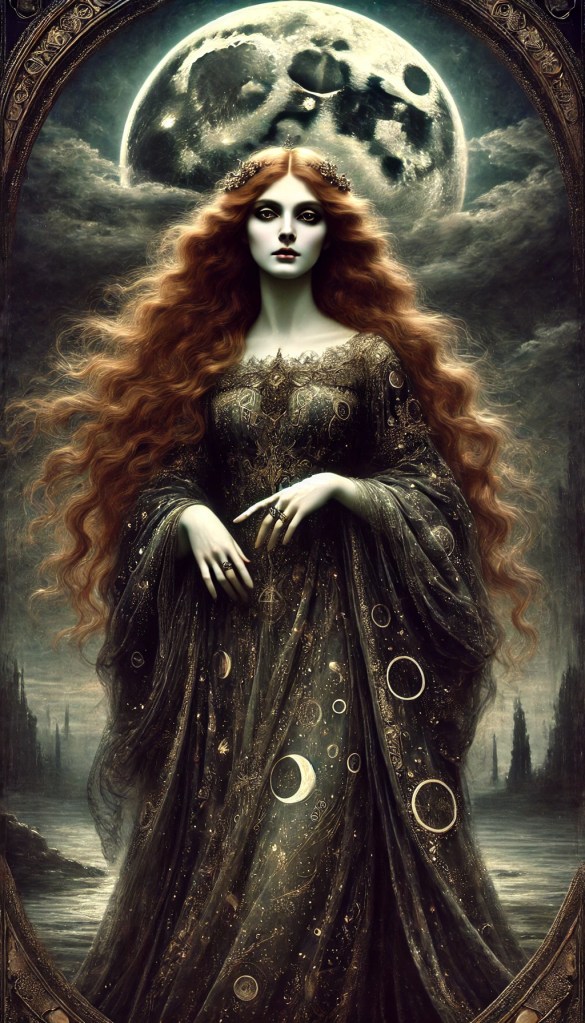
🔥 Lilith, a key figure in this tradition, represents feminine rebellion against patriarchal structures.
🖤 The Origins of Witchcraft: Lilith and the Ancient Sorceresses 🌿
🌓 Lilith’s story dates back to ancient Babylon, where she was considered a nocturnal demon. However, in Hebrew tradition, Lilith was the first woman created alongside Adam, but she rebelled by refusing to submit to him. Her defiance led to exile, turning her into a symbol of female independence.
🔮 This narrative of a woman rejecting submission has been a recurring archetype in witchcraft history. Figures like Circe and Medea in Greek mythology, Morgana and Melusine in Celtic legends share traits with Lilith: women who possess hidden knowledge and challenge societal norms.
🔥 The Witch Hunts and Fear of Female Power 🕯️🕷️
During the Middle Ages and the Renaissance, witchcraft was condemned as heresy by the Church. 📜 The Malleus Maleficarum (1487), a manual written by inquisitors, declared that witches made pacts with the devil, causing disease, death, and misfortune.⚖️ However, historical studies suggest that witch hunts were linked to social and economic factors. Silvia Federici, in Caliban and the Witch, argues that these persecutions were a strategy to eliminate female knowledge of medicine and sexuality, reinforcing patriarchal control over women’s bodies.📖 Witches in Literature: From Shakespeare to Feminine Resistance 🖋️📜 The witch archetype also found its way into literature. 🎭 Shakespeare, in Macbeth, introduces a trio of witches who play an oracular role, foretelling the protagonist’s fate. These figures reflect the medieval image of witches as bearers of forbidden knowledge and keepers of ancient mysteries.
🌑 Lilith and the Reclamation of Witchcraft 🔥✨
Today, the image of the witch has been reclaimed by feminism and spiritual movements, seeing her as a symbol of empowerment.
🔮 Lilith is no longer just a demon, but an icon of female liberation, inspiring those who seek to break free from patriarchal structures.
🔻 Conclusion: The Legacy of Lilith and the Witches 💫🌙 The history of witchcraft is also the history of female repression and resistance. 💜 Lilith, Circe, Morgana, and the witches persecuted in the Middle Ages share a common thread: defying a system that seeks to control their power.🔯 Today, reclaiming the witch is not only an act of historical remembrance but also a way to honor the legacy of women who fought for their independence. Like Lilith, many women continue to claim their right to exist beyond patriarchal mandates.✨✨ May the wisdom of the witches guide your path. Magical blessings. 🔮💜

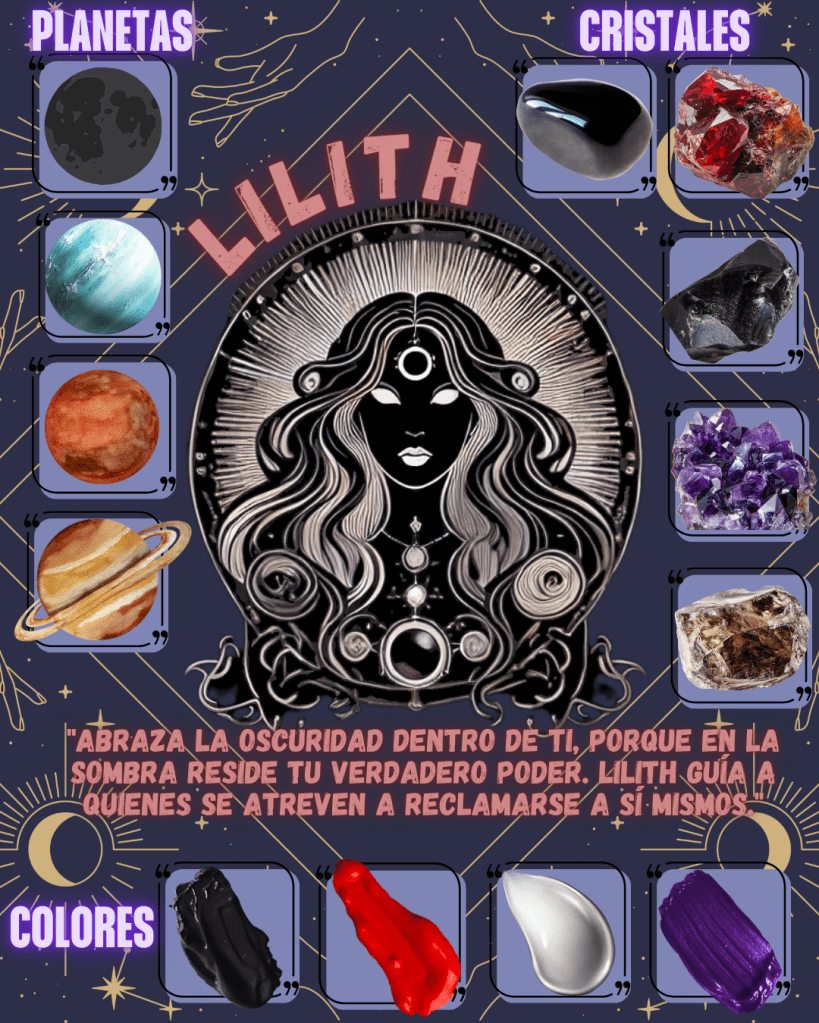

 Mística Mágica™